

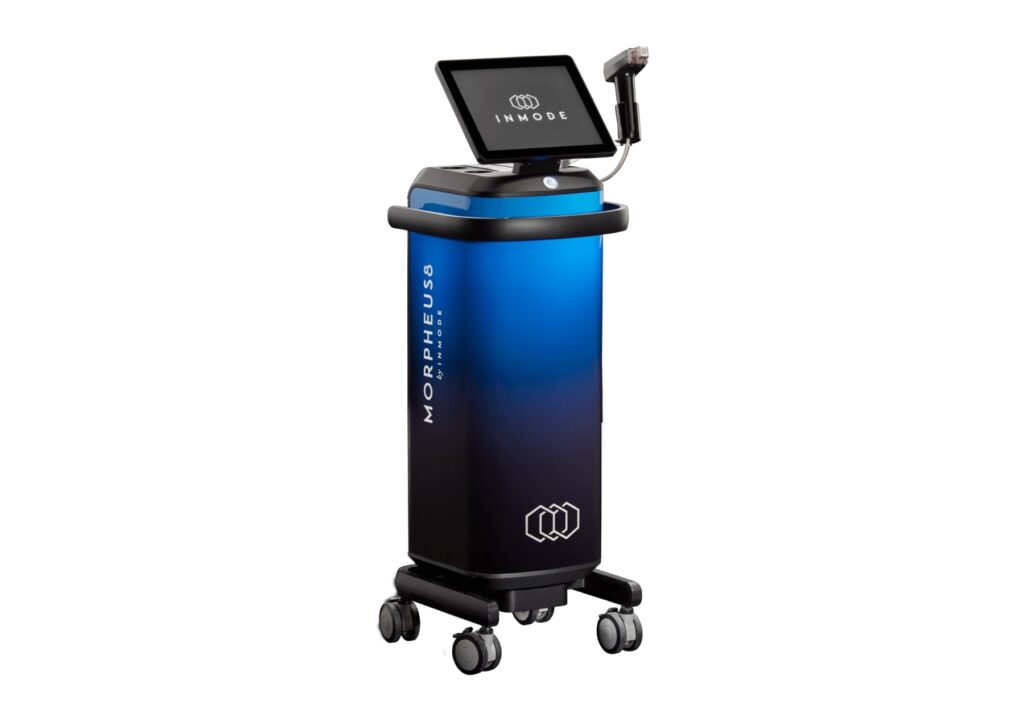
In the ever-evolving world of aesthetic medicine, RF microneedling (Radiofrequency Microneedling) has emerged as one of the most effective, non-surgical treatments for skin rejuvenation, tightening, and texture refinement. This advanced procedure combines the benefits of traditional microneedling with radiofrequency energy to deliver deeper, more precise skin remodeling.
What Is RF Microneedling?
RF microneedling involves the use of ultra-fine needles to create controlled micro-injuries in the skin. These tiny punctures stimulate the body’s natural wound-healing process, boosting collagen and elastin production. What sets RF microneedling apart from traditional methods is the simultaneous delivery of radiofrequency energy through the needles directly into the dermis. This adds thermal energy to the treatment, enhancing collagen remodeling, tightening skin, and improving overall tone.
Mechanism of Action
RF microneedling works by using ultra-fine needles to create controlled micro-injuries in the skin while simultaneously delivering radiofrequency (RF) energy into the deeper dermal layers. The needling stimulates collagen and elastin production through the skin’s natural healing process, while the RF energy generates heat, tightening the skin and enhancing deeper collagen remodeling. This combined mechanical and thermal stimulation results in firmer, smoother, and more youthful-looking skin with minimal downtime.
Key Benefits of RF Microneedling
- Skin Tightening and Lifting
- The RF energy heats deeper layers of the skin, triggering a contraction of existing collagen and encouraging new collagen formation—resulting in firmer, tighter skin.
- Improved Texture and Tone
It smoothens uneven skin texture, reduces enlarged pores, and evens out skin tone.
- Reduction in Fine Lines and Wrinkles
Collagen stimulation helps reduce the appearance of fine lines and superficial wrinkles, especially around the eyes, mouth, and forehead.
- Effective Acne Scar Treatment
RF microneedling is widely used for treating acne scars and other atrophic scars due to its ability to reach deeper layers of the skin without damaging the epidermis.
- Minimal Downtime
Compared to laser treatments, RF microneedling causes less surface damage, meaning quicker healing and minimal social downtime.
Who Is It For?
RF microneedling is suitable for all skin types and tones, unlike some laser treatments that pose risks for darker skin. It’s ideal for individuals seeking a non-surgical solution to address early signs of aging, acne scars, loose skin, or dull complexion.
How Many Sessions Are Needed?
While visible improvements can be seen after a single session, 3 to 4 treatments spaced 4– 6 weeks apart are usually recommended for optimal results. Maintenance sessions every 6–12 months can help preserve the effects.
Safety and Side Effects
When performed by a licensed professional, RF microneedling is considered very safe. Temporary side effects may include:
- Mild redness
- Swelling
- Slight sensitivity for 1–2 days
These symptoms typically resolve within 48 hours. Popular RF Microneedling Devices
Some of the leading devices in the aesthetic market include:
- Morpheus8
- Sylfirm X
- Potenza
- Secret RF
Each offers specific settings for different skin concerns and treatment depths.
Conclusion
RF microneedling is redefining the standards of non-invasive facial rejuvenation. With its unique ability to combine mechanical and thermal energy, it offers powerful results with minimal risk or downtime. Whether you’re dealing with early aging, scars, or just want a collagen boost, RF microneedling stands out as a safe and versatile option in the aesthetic industry of 2025.
References
1.RF Microneedling: The Game-Changer in Aesthetic Skin Rejuvenation. (2025). Internal report, ZEVANEX PHARMACEUTICAL.
2.Alam, M., & Dover, J. S. (2018). Microneedling and radiofrequency for skin rejuvenation: A review. Dermatologic Surgery, 44(3), 345–356.
3.Choi, S. Y., Lee, Y. B., Ahn, G. Y., & Lee, W. S. (2019). Fractional radiofrequency microneedling for the treatment of acne scars: Clinical experience and literature review. Journal of Cosmetic and Laser Therapy, 21(1), 41–47.
4.Chan, N. P. M., Ho, S. G. Y., & Yeung, C. K. (2017). Fractional radiofrequency microneedling treatment for skin laxity: A clinical and histological study. Lasers in Surgery and Medicine, 49(5), 427–434.
5.Fabbrocini, G., De Vita, V., Pastore, F., & Monfrecola, G. (2020). Combined microneedling and radiofrequency for skin aging and scars: Current evidence and future perspectives. Dermatologic Therapy, 33(6), e13924.
6.Gold, M. H., & Goldman, M. P. (2021). Radiofrequency microneedling: Emerging technology in minimally invasive aesthetics. Journal of Clinical and Aesthetic Dermatology, 14(9), 22–29.
7.Kim, H., Park, J. H., & Kim, B. J. (2022). Advances in fractional radiofrequency microneedling: Clinical applications and safety profile. Archives of Plastic Surgery, 49(1), 3–12.